- About
-
Photography
-
Dubai - Photography
Dubai - Photography
- Dubai Photography
- Wedding Photography
- Pre-Wedding Photography
- Couple Photography
- Maternity Photography
- Baby Shower Photography
- Birthday Photography
- Real Estate Photography
- Event Photography
- Family Photography
- Flying Dress Photography
- Corporate Photography
- Corporate Meeting Photography
- Corporate Headshot Photography
- Food Photography
- Product Photography
- Cars Photography
- Airbnb Photography
- Music Photography
- Fashion Photography
- Kids Birthday Photography
- Ecommerce Photography
- Abu Dhabi - Photography Abu Dhabi - Photography
- Sharjah Photography Sharjah Photography
- Ajman Photography Ajman Photography
- Fujairah Photography Fujairah Photography
- Umm Al Quwain Photography Umm Al Quwain Photography
- Ras Al Khaimah Photography
-
Dubai - Photography
Dubai - Photography
- Videography
-
- Portfolio
- Blog
- Marketing
- Contact
What Makes a Property Photo Look Premium Without Over-Editing?
A property can look beautiful in person but still look flat, dark, or less impressive in photographs. We see this quite often in real estate photography. When that happens, the first thought that comes to mind is usually to fix everything while editing, make the image brighter, increase the contrast, boost the colours, sharpen the details, or add a stronger HDR effect.
But making a property photo look premium isn’t about adding more and more edits.
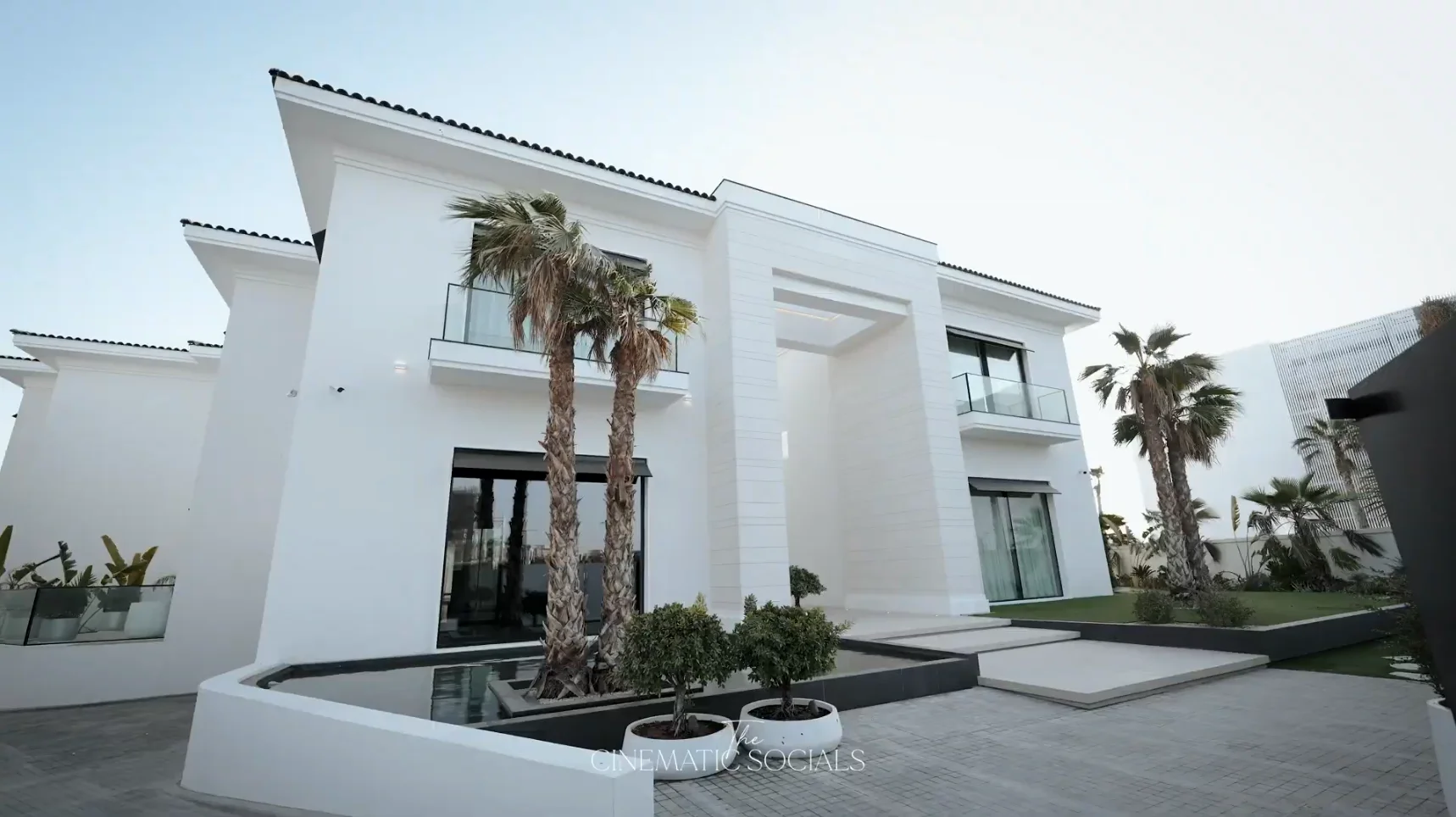
We start by understanding the property itself. We consider its architecture, natural light, materials, layout, and the property’s best features. Over the years, we’ve found that the best results usually come from getting the basics right during the shoot, preparing the space, finding the right composition, and working with the available light. Editing then becomes the finishing step, helping us refine the photograph without making the property look different from reality.
So, what makes a property photo look premium without looking fake? It starts long before the editing stage.
What Does a Premium Property Photo Actually Look Like?
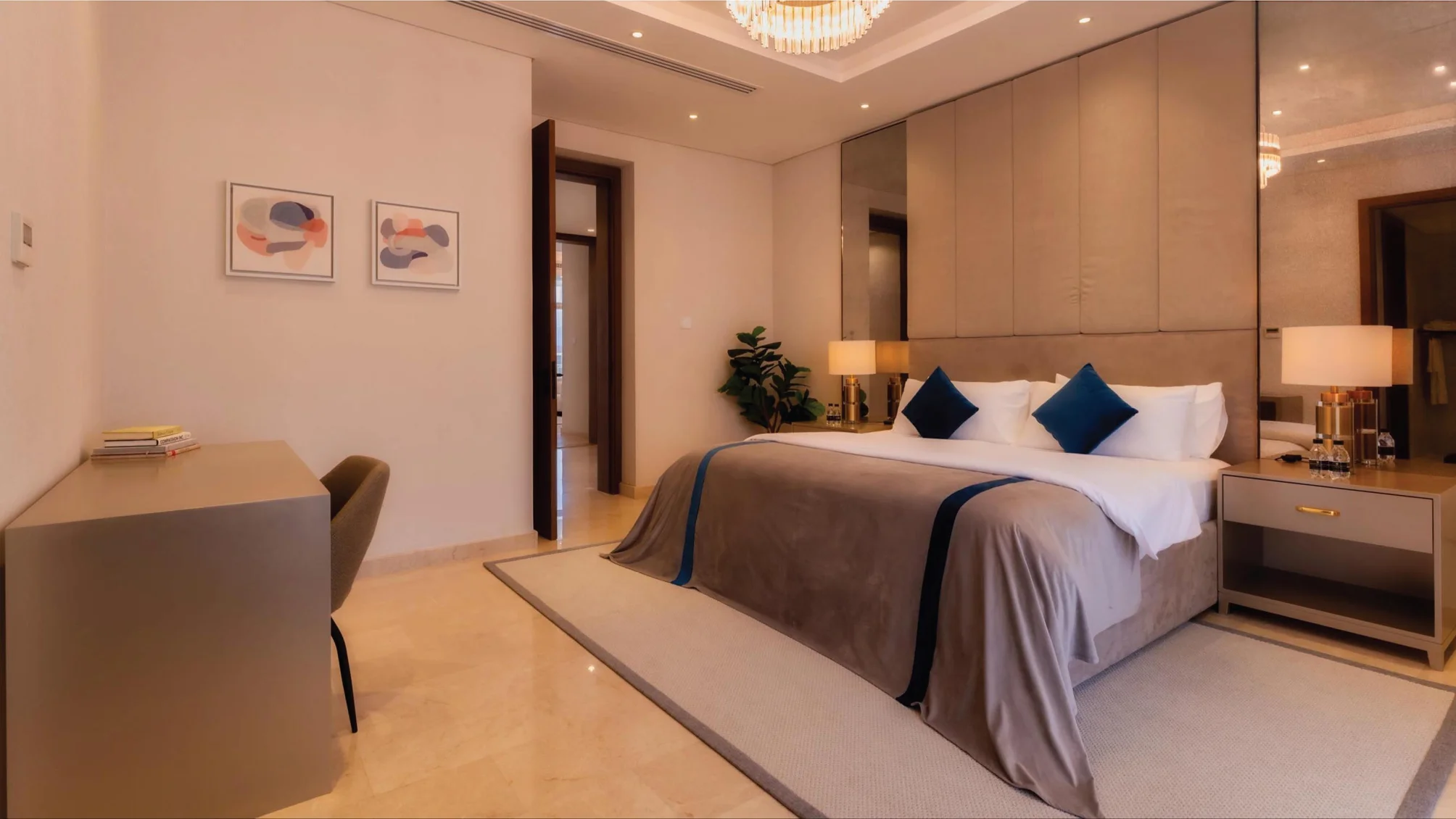
A premium property photo should feel polished while still looking real.
You will usually notice a few things:
- Balanced lighting: The room is bright enough to see details without looking unnaturally exposed.
- Natural colours: Walls, furniture, flooring, and finishes retain their real colours.
- Straight lines: Walls, doors, and architectural features don’t look noticeably distorted.
- Controlled highlights and shadows: Bright windows aren’t completely white, and darker areas still have useful detail.
- Strong composition: The photograph shows the room in a way that makes sense and draws attention to its best features.
- Realistic proportions: Wide-angle photography is used carefully so the room doesn’t look much larger than it actually is.
- Consistency: Images across the property have a similar colour, brightness, and visual style.
The goal isn’t to make every room brighter but to show the space as it really is while bringing out the features that make the property stand out.
Why Do Some Property Photos Need So Much Editing?
Heavy editing often starts with a problem that should have been handled during the shoot. Poor lighting can leave deep shadows, the wrong camera angle can make a room feel smaller, and using a lens that is too wide can stretch furniture or distort walls. Strong sunlight coming through windows can also make it difficult to balance the brightness inside and outside the room.
Editing can help fix some of these issues, but it can only do so much.
If the original photo has poor lighting or weak composition, simply increasing the exposure or adding more HDR may make it brighter without making it better. In fact, it can make the image look flat or unnatural.
The better the photograph is captured, the less you need to fix later.
Read More – How to Photograph an Occupied Property Without Disrupting Residents
What Makes Property Photography Look Premium?
1. Good Lighting Comes Before Editing
Lighting can completely change how a property looks and feels in a photograph.
Natural light can make a room feel warm and welcoming, but strong sunlight can also create harsh highlights and deep shadows. Windows can be another challenge because they are often much brighter than the rest of the room, making it difficult to capture both the interior and the view outside naturally in a single shot.
This is why we look at the light before deciding how to photograph a property. The time of day, direction of the light, curtains or blinds, and the way the room is positioned can all make a difference. In some situations, we may also use additional lighting or multiple exposures to get the balance right.
2. Composition Makes a Big Difference
Even a beautiful room can look bad if the camera is placed poorly.
Camera height, position, and angle all affect how the space is captured. A good composition can show the relationship between different areas of a room, highlight architectural features, and give the viewer a better understanding of the space.
We also avoid relying on extremely wide compositions just to make a room appear bigger.
3. Use the Right Lens Without Distorting the Space
Wide-angle lenses are useful for interiors because they allow photographers to capture more of a room. But going too wide can create problems.
The right lens depends on the room, camera position, and purpose of the photograph.
For property or airbnb photography, showing the space accurately is more important than simply fitting everything into one frame.
4. Prepare the Property Before the Camera Comes Out
Some of the biggest improvements to a property photo happen before the camera even comes out.
A well-prepared property gives the photographer a cleaner starting point. This may include:
- Removing unnecessary clutter
- Organising cushions and furniture
- Hiding loose cables
- Cleaning reflective surfaces
- Preparing kitchen and bathroom counters
- Opening curtains where appropriate
- Removing temporary distractions
- Making beds and styling important areas
These details can make a noticeable difference, especially when photographing luxury properties. Beautiful materials, carefully chosen furniture, and architectural details can easily lose their impact when the frame is filled with everyday clutter.
How Do Photographers Handle Bright Windows and Dark Interiors?
One of the most common challenges in interior photography is the difference between indoor and outdoor brightness.
If the camera exposes for the darker room, the windows may become very bright. If it exposes for the windows, the interior can become too dark.
Depending on the scene, a photographer may use controlled lighting, multiple exposures, or other techniques to retain useful detail across the image.
This is where HDR or exposure blending can be useful. But HDR should not automatically mean an exaggerated, glowing photograph.
A well-processed image should still look like a room photographed in natural conditions.
Read More – Real Estate Photography for Selling and Renting a Property
What Should Be Edited in a Property Photo?
Editing has an important role in professional dubai photography. The key is knowing what to correct and when to stop.
Common adjustments include:
- Exposure and brightness
- White balance
- Colour consistency
- Highlight and shadow balance
- Perspective and lens corrections
- Cropping and framing
- Minor distracting elements
- Overall image consistency
These adjustments should support the photograph rather than overpower it.
What Does Over-Editing Look Like?
Over-editing is usually easy to notice once you know what to look for.
- Excessive HDR: Too much HDR can create glowing edges, unnatural contrast, and flat-looking shadows.
- Over-Saturated Colours: Greenery, skies and interior colours can become much stronger than they appear in reality.
- Too Much Brightness: A bright photograph is not automatically a premium photograph. Lifting every shadow can remove the depth that makes an interior feel natural.
- Excessive Sharpness and Clarity: Too much sharpening can make walls, furniture, and decorative surfaces look harsh.
- Unrealistic Views Through Windows: The exterior view should be handled carefully. Making a view dramatically different from reality can give the viewer an inaccurate impression of the property.
A simple rule we follow is: If you notice the editing before you notice the property, the image probably needs less editing.
How Do You Make a Luxury Property Look Expensive Without Making It Look Fake?
Luxury photography is not about making everything brighter, darker, or more colourful. It is about showing the details that already make the property special.
Think about:
- Architectural lines
- Natural light
- Marble and stone textures
- Wood finishes
- Furniture details
- Ceiling height
- Views
- Symmetry
- Spacious layouts
- Outdoor areas
For example, instead of increasing the saturation of a marble surface, good lighting and an appropriate angle can reveal its texture and finish naturally. The same applies to luxury furniture, kitchens, bathrooms, and architectural details.
The camera should reveal the quality of the property, not manufacture it.
How We Approach Property Photography at The Cinematic Socials
Our process starts before we take the first photograph.
We start by looking at the property as a whole and thinking about what the photographs need to show. A modern apartment, luxury villa, commercial space, or a property with distinctive architectural features will each need a different approach. We consider what makes the space special and plan the shots around those details.
From there, we identify the spaces and details that deserve priority.
We consider:
- The property’s strongest features
- The available natural light
- Camera position and composition
- Lens choice
- Important architectural details
- Interior styling
- Exterior views
- The intended use of the images
We don’t want every property to have the same edited look. A bright apartment may need a different approach from a darker, more dramatic villa. Once the photographs are captured, editing is used to refine them. We work on colour,
exposure, perspective, and consistency while keeping the property believable.
The final gallery should feel like one complete visual story, not a collection of heavily edited individual photographs.
Read More – Real Estate Photography Checklist Before Listing a Property
How Can You Tell If a Property Photo Has Been Over-Edited?
Before using a property photograph, ask yourself:
- Do the colours look natural?
- Are the walls and vertical lines straight?
- Are the windows believable?
- Can I still see detail in the shadows?
- Do the rooms look proportionate?
- Do materials and textures look realistic?
- Does the photograph still represent the actual property?
- Do all the images in the gallery feel consistent?
If the answer is yes, the editing is probably doing its job. It should improve the photograph without becoming the main thing you notice.
Premium Property Photography Is More Than Post-Processing
A premium property photograph doesn’t come from one editing trick. It’s the result of several decisions coming together from preparing the space and working with the available light to choosing the right composition, lens, exposure, and finishing touches.
Editing is only one part of that process.
The best property photographs don’t look well planned, naturally polished, and true to the space. The aim is to bring out what already makes the property appealing rather than make it look like something it isn’t.
At The Cinematic Socials, we focus on creating property photography that helps people see the space clearly, understand its character, and appreciate its strongest features.
Whether the images are being used for a property listing, marketing, branding, or a professional portfolio, good photography can make a strong first impression before a potential client ever steps inside.
FAQs
What makes a property photo look premium?
Good lighting, natural colours, accurate perspective, clean composition, and thoughtful styling usually matter more than heavy editing.
How much editing should real estate photos have?
Editing should correct exposure, colour, perspective, and minor distractions while keeping the property looking realistic.
Is HDR good for property photography?
HDR can help retain detail in scenes with a large difference between bright windows and darker interiors. The result should still look natural, not heavily processed.
How do you make property photos look natural?
Start with good lighting and composition, use an appropriate lens, keep colours accurate, and avoid excessive brightness, saturation, and HDR effects.
How do photographers make rooms look spacious?
Camera position, lens choice and composition can help show the available space effectively. The goal should be to represent the room accurately, not make it appear unrealistically large.
Can editing make a property look more luxurious?
Editing can refine colour, light and detail, but it cannot replace good photography. Luxury is better communicated through composition, lighting, styling, materials and architectural details.