- About
-
Photography
-
Dubai - Photography
Dubai - Photography
- Dubai Photography
- Wedding Photography
- Pre-Wedding Photography
- Couple Photography
- Maternity Photography
- Baby Shower Photography
- Birthday Photography
- Real Estate Photography
- Event Photography
- Family Photography
- Flying Dress Photography
- Corporate Photography
- Corporate Meeting Photography
- Corporate Headshot Photography
- Food Photography
- Product Photography
- Cars Photography
- Airbnb Photography
- Music Photography
- Fashion Photography
- Kids Birthday Photography
- Ecommerce Photography
- Abu Dhabi - Photography Abu Dhabi - Photography
- Sharjah Photography Sharjah Photography
- Ajman Photography Ajman Photography
- Fujairah Photography Fujairah Photography
- Umm Al Quwain Photography Umm Al Quwain Photography
- Ras Al Khaimah Photography
-
Dubai - Photography
Dubai - Photography
- Videography
-
- Portfolio
- Blog
- Marketing
- Contact
Real Estate Photography for Selling and Renting a Property
The photographs are often the first thing people notice when they’re looking for a property online. Before they read the description, check the floor plan, or arrange a viewing, they see the images.
That makes real estate photography an important part of marketing a property for both sale and rent. Good photographs do more than make a home look attractive. They help potential buyers and renters understand the space, see its important features, and decide whether it is worth visiting.
For sellers, professional property photography can help present the home in a polished and appealing way. For landlords and agents, it can make a rental listing clearer and more inviting.
The key is to create photographs that look professional while still showing the property honestly and accurately.
Why Real Estate Photography Matters for Property Listings
Most buyers and renters start their search online, so your photos need to make a strong first impression.
Good real estate photography helps people:
- Understand the property’s layout and size
- See its best features
- Imagine themselves living there
- Decide whether to arrange a viewing
Bright, clear, and realistic images can make a listing look more professional and help it stand out from similar properties.
Real Estate Photography for Selling a Property
When a property is being sold, photographs aren’t just documentation of the rooms. They should help potential buyers understand the property’s appeal and imagine themselves living there.
The photography should cover the complete property while giving extra attention to features that can influence a buying decision.
Read More – Real Estate Photography Checklist Before Listing a Property
Highlight the property’s best features
Focus on what makes the property appealing, such as:
- Spacious living areas
- Modern kitchens
- Large bedrooms
- Renovated bathrooms
- Balconies, gardens or terraces
- Views
- Parking and storage
- Building amenities
These features should be shown naturally and clearly in the final photos.
Use helpful angles
The goal isn’t to photograph every corner. Choose angles that show the room’s layout, size, and connection to other spaces.
Wide-angle lenses can help with interiors, but they should be used carefully to avoid making rooms look distorted or larger than they are.
Use natural light
Natural light can make a room feel brighter and more welcoming. Use it alongside interior or additional lighting when needed, while keeping the image balanced and realistic.
Include important details
Alongside wider room shots, take a few detail photos of features such as:
- Kitchen finishes
- Bathroom fixtures
- Flooring
- Built-in storage
- Windows
- Lighting
- Architectural details
These images help buyers and renters understand the property’s quality and character.
Real Estate Photography for Rental Properties
Photography for a rental property has a slightly different focus. A potential renter usually wants to know one simple thing: “Can I see myself living here?”
The photographs should therefore show the property clearly, including the practical features that matter in everyday life.
Photograph every important room
A rental listing should normally include photographs of the main spaces, such as:
- Living room
- Bedrooms
- Kitchen
- Bathrooms
- Balcony or terrace
- Entrance
- Storage areas
- Outdoor spaces
- Relevant building amenities
The exact selection will depend on the property’s size and type.
Show practical features
Renters may want to see wardrobes, kitchen appliances, parking, balconies, workspace, storage and shared facilities.
If a property is furnished, photographs should also make the furniture arrangement clear. If it is unfurnished, photographs should show the available space rather than trying to make rooms appear artificially furnished.
Keep rental photos realistic
Good photography should make a property look its best without creating false expectations.
Over-editing, removing permanent problems, or using angles that make a small room appear much larger can lead to disappointment during a viewing.
The online property should match the in-person experience.
Selling vs Renting: How Property Photography Differs
The basic photography principles are similar, but the marketing focus can be different.
| Selling a Property | Renting a Property |
| Emphasizes overall appeal and long-term value | Emphasizes comfort and everyday usability |
| Highlights architecture, finishes, and features | Highlights practical features and available space |
| Helps buyers imagine owning the property | Helps renters imagine living there |
| May use more lifestyle-oriented images | Often needs clear coverage of every important room |
| Can place greater emphasis on premium details | Should clearly communicate condition and functionality |
In both cases, the photographs should provide an accurate representation of the property.
What Photos Should Be Included in a Real Estate Listing?
Include enough photos that help buyers understand the property without repeating the same view.
Show:
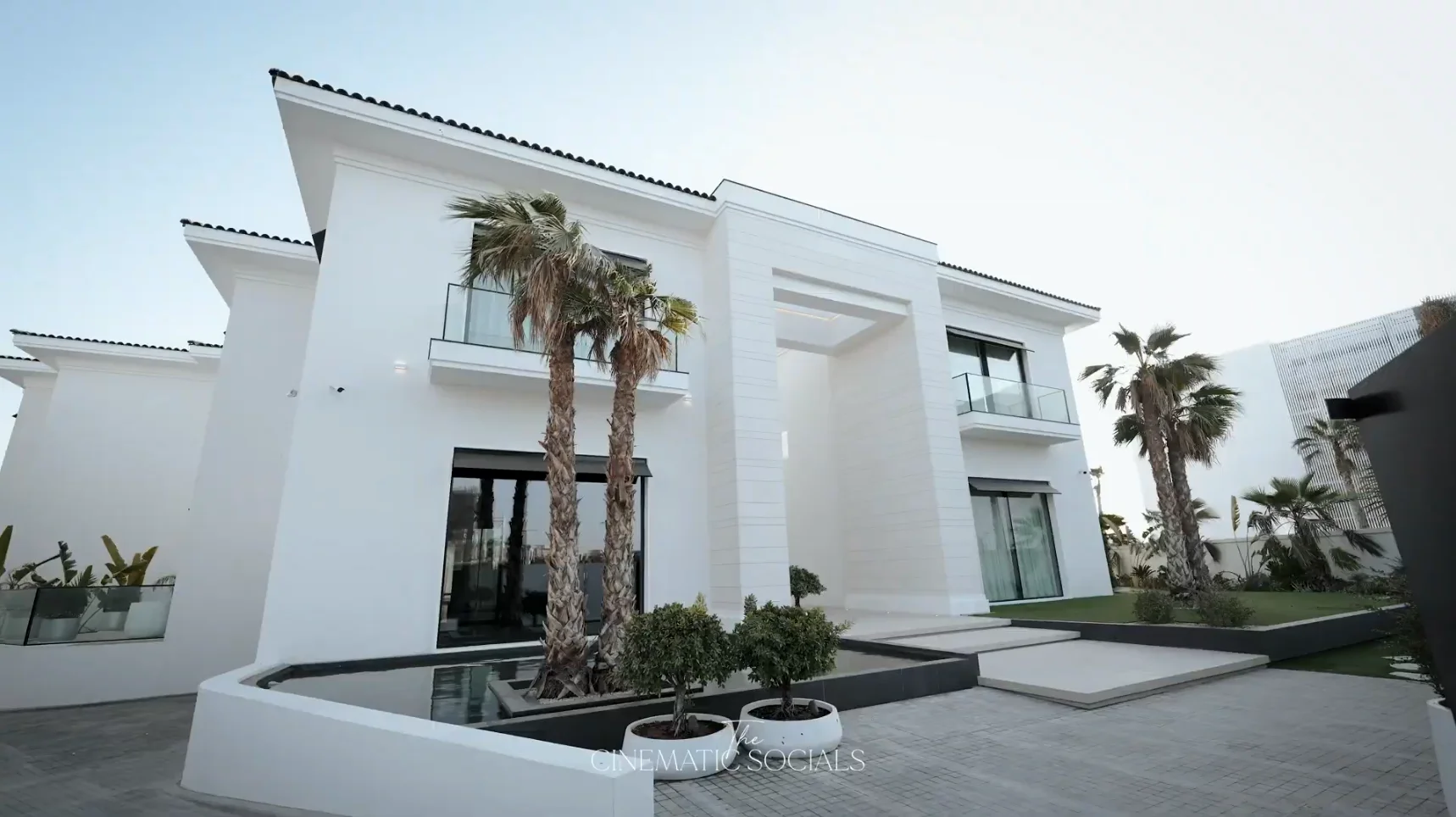
- Exterior and entrance
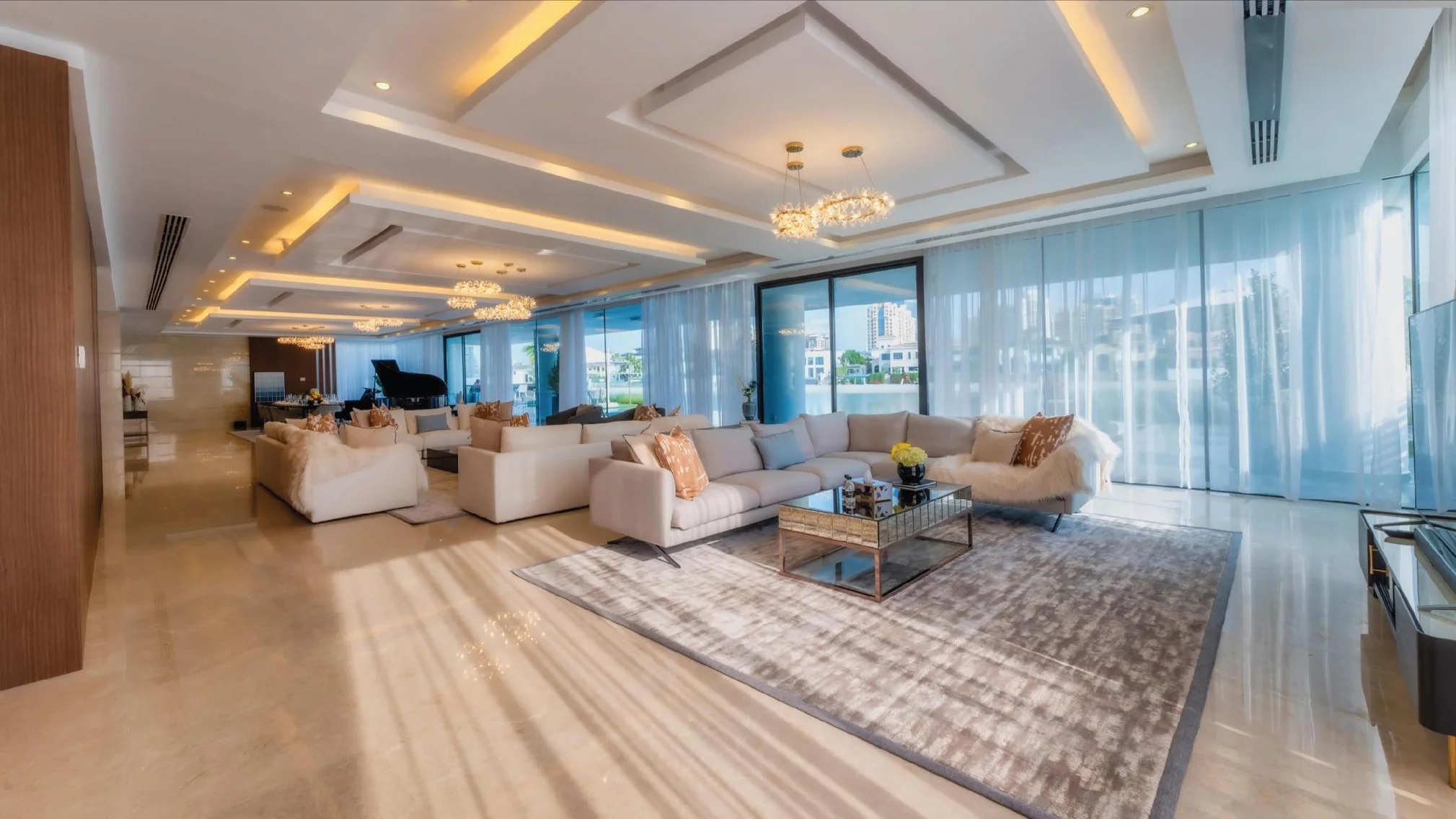
- Living and dining areas
- Bedrooms
- Kitchen
- Bathrooms
- Balconies, terraces or gardens
- Parking and shared amenities
Photograph each space from a clear, natural angle. Highlight useful features such as windows, storage, appliances, views and finishes. For apartments and developments, include amenities such as pools, gyms, gardens and lobbies but only if they are available to the property.
Read More – How Real Estate Photography Supports Digital Marketing
How to Prepare a Property Before a Photography Shoot
The dubai photographer controls the camera, lighting and composition, but property preparation also has a major impact on the final images.
A camera can make clutter and dirt more noticeable than they appear in person. Preparing the property beforehand can make the shoot much more appealing.
Declutter each room
Remove unnecessary objects from tables, countertops, and floors. You don’t need to make the property look empty. The goal is to create a clean visual balance.
Clean the property
Pay particular attention to:
- Windows
- Mirrors
- Floors
- Kitchen surfaces
- Bathroom fixtures
- Glass doors
Small marks can become much more noticeable in high-resolution photographs.
Open curtains and blinds
Where appropriate, open curtains and blinds to bring in natural light and show windows and views.
Hide distracting personal items
Consider putting away:
- Laundry
- Bins
- Cables
- Excess toiletries
- Personal documents
- Too many decorative objects
Prepare outdoor areas
For villas and houses, tidy gardens, balconies, terraces and entrances before the photographer arrives. Outdoor furniture should also be arranged neatly.
How Professional Real Estate Photographers Photograph a Property
Real estate photography is more than taking a few pictures. A professional photographer looks at the whole property and plans how to show each room clearly and naturally.
- Choosing the right equipment
The right camera, lens, and lighting help capture the property accurately. Wide-angle lenses can make smaller rooms easier to show, but they should not make the space look unrealistically large.
- Getting the composition right
Photographers choose angles that help viewers understand the layout. They pay attention to camera height, furniture, windows, doors, and straight vertical lines.
- Managing difficult lighting
Bright windows and dark interiors can be challenging. Photographers may combine natural light with additional lighting or exposure techniques to keep the image balanced.
- Editing photographs professionally
Editing can improve brightness, colour, contrast, perspective, and minor distractions. However, it should never change the property’s actual appearance.
The goal is simple: make the property look its best while keeping the photographs honest.
Read More – Airbnb Photography Tips Every Host Should Know
Common Real Estate Photography Mistakes to Avoid
Even a good property can be poorly represented through photography.
Here are some common mistakes to avoid.
- Using dark or poorly exposed photos: If viewers cannot clearly see the room, they may move on to another listing.
- Taking every photograph from the same angle: Similar images don’t provide much additional information. Use different viewpoints when they help explain the property.
- Using an excessively wide lens: Making a room look significantly larger than it is can create unrealistic expectations.
- Leaving clutter in the frame: Personal belongings, cables, bins and unnecessary furniture can distract from the property itself.
- Over-editing photographs: Excessive HDR, unrealistic colours or digitally removing permanent features can make the listing misleading.
- Leaving important rooms out: If a room is part of the property and relevant to a buyer or renter, consider whether it should be photographed.
- Using blurry or low-quality images: Property listings need clear images that remain useful when viewed on different devices and screen sizes.
What does a professional photographer bring?
For many properties, professional photography can be a worthwhile part of the marketing process.
It can be particularly useful for luxury homes, villas, high-value properties, new developments, investment properties, commercial spaces and properties competing across multiple marketing channels.
A professional photographer can provide:
- Better composition
- More controlled lighting
- Suitable equipment
- Consistent image quality
- Professional editing
- Knowledge of property presentation
- Guidance on preparing the space
This can save agents, sellers and landlords from trying to solve every photography problem themselves.
How to Choose a Real Estate Photographer
Don’t choose a photographer based only on the number of cameras or equipment they own.
- Review their portfolio and look for properties similar to yours.
- Check that their photos are bright, natural and well-composed.
- Look for consistent quality across different rooms and lighting conditions.
- Ask what the package includes, such as editing, exterior photos and delivery time.
- Confirm image usage rights before booking.
- Consider extras like video, drone photography, virtual tours or floor plans if they suit your property.
- Choose someone who makes the space look appealing without making it look misleading.
How to Use Real Estate Photos Across Different Marketing Channels
One set of good photographs can support more than the property listing itself.
- Property listing websites
Use clear, informative images that show the property logically.
- Social media
Select visually strong photographs that communicate the property’s best features quickly, especially on mobile screens.
- Property websites
A dedicated property website can use a larger selection of images to give visitors a more complete visual tour.
- Brochures and print marketing
High-resolution property photographs can also be useful for brochures, presentations and other offline marketing materials.
The important thing is to use the right photographs for each platform rather than simply uploading the same sequence everywhere.
Read More – Common Airbnb Photography Mistakes Hosts Make
Real Estate Photography Checklist for Sellers and Landlords
Before the shoot
- Declutter rooms
- Clean windows and mirrors
- Clean kitchens and bathrooms
- Make beds
- Arrange furniture
- Open suitable blinds and curtains
- Hide unnecessary personal items
- Prepare balconies, gardens and terraces
- Turn on appropriate lights
During the shoot
- Photograph all important rooms
- Capture useful wide and medium views
- Keep vertical lines straight
- Highlight important features
- Photograph suitable exterior areas
- Include relevant amenities
- Avoid misleading angles
After the shoot
- Select the strongest photographs
- Correct exposure and colour
- Check perspective
- Review image quality
- Organize photographs logically
- Choose images suitable for each marketing channel
FAQs
What is real estate photography?
Real estate photography professionally showcases homes and commercial properties for sale or rent across listings, websites, and marketing materials.
Why is professional real estate photography important?
High-quality photos make a property look more appealing and help buyers or renters understand the space before arranging a viewing.
How many photos should a property listing have?
Include enough photos to show every important room and feature clearly, without adding repetitive images.
What rooms should be photographed when selling a house?
Photograph the living areas, bedrooms, kitchen, bathrooms, outdoor spaces and any notable features such as parking, storage or views.
Should rental properties have professional photos?
Yes, clear professional photos help renters compare properties and understand the layout, condition and key features before visiting.
Can real estate photos be edited?
Yes, basic adjustments are fine, but editing should not misrepresent the property’s size, condition, or appearance.
Should outdoor and amenity photos be included?
Yes, include gardens, balconies, pools, gyms, views and other amenities that add value or help explain the property.