- About
-
Photography
-
Dubai - Photography
Dubai - Photography
- Dubai Photography
- Wedding Photography
- Pre-Wedding Photography
- Couple Photography
- Maternity Photography
- Baby Shower Photography
- Birthday Photography
- Real Estate Photography
- Event Photography
- Family Photography
- Flying Dress Photography
- Corporate Photography
- Corporate Meeting Photography
- Corporate Headshot Photography
- Food Photography
- Product Photography
- Cars Photography
- Airbnb Photography
- Music Photography
- Fashion Photography
- Kids Birthday Photography
- Ecommerce Photography
- Abu Dhabi - Photography Abu Dhabi - Photography
- Sharjah Photography Sharjah Photography
- Ajman Photography Ajman Photography
- Fujairah Photography Fujairah Photography
- Umm Al Quwain Photography Umm Al Quwain Photography
- Ras Al Khaimah Photography
-
Dubai - Photography
Dubai - Photography
- Videography
-
- Portfolio
- Blog
- Marketing
- Contact
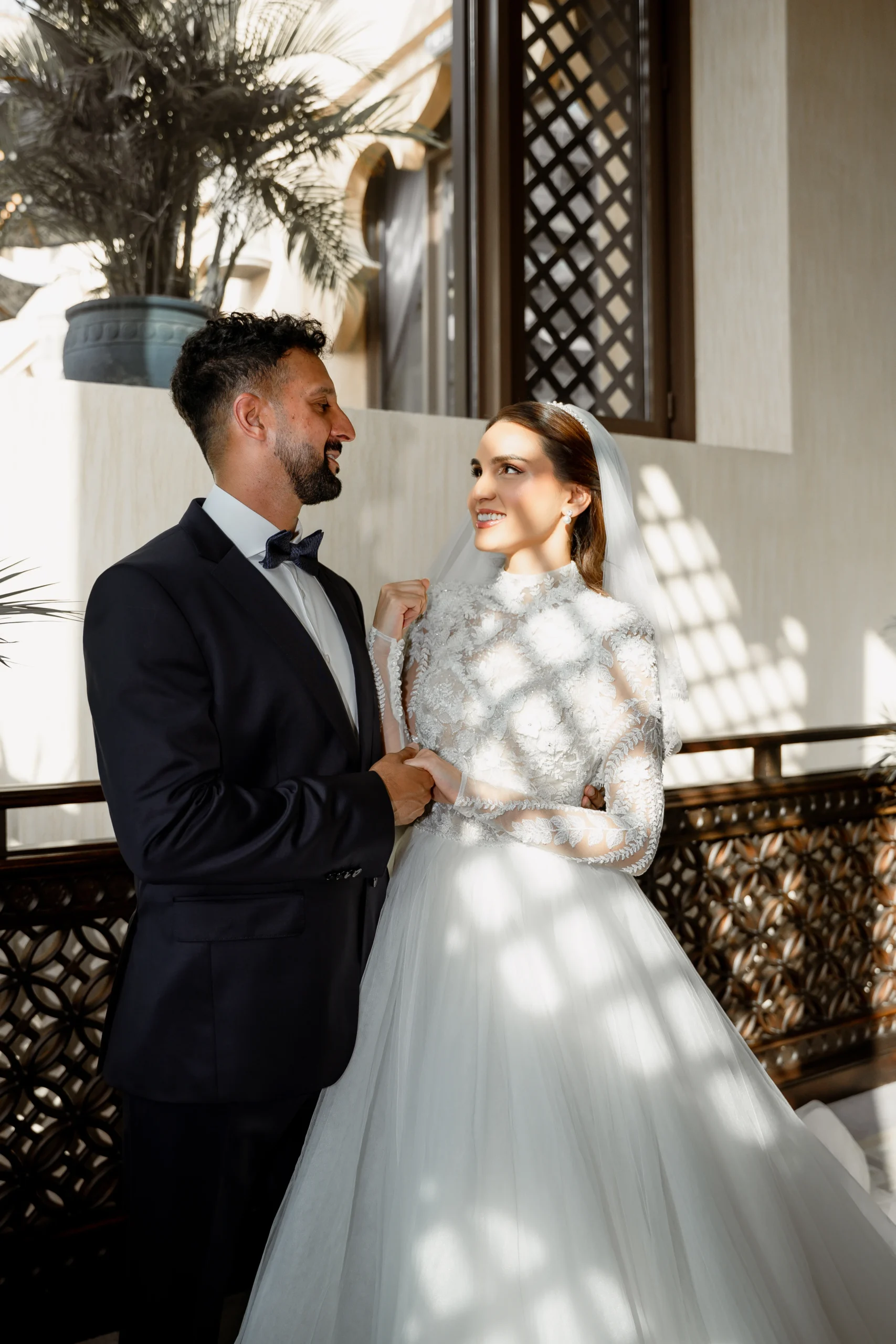
How We Photograph Indian, Arab, Emirati & Multicultural Weddings Differently
Dubai is home to couples and families from many different cultures, and that diversity is reflected in its weddings. An Indian wedding can involve several days of celebrations, an Emirati wedding may have very specific privacy expectations, while a multicultural wedding may bring two or more traditions together in one celebration.
For us at The Cinematic Socials, this means there isn’t only a single formula for wedding photography.
We don’t simply arrive with a camera, follow a standard shot list, and leave. Before the wedding, we take the time to understand the couple, their traditions, their family, and the moments that matter most to them.
Good cultural wedding photography is not only about taking beautiful photographs. It is about knowing what to photograph, when to photograph it, and when to step back.
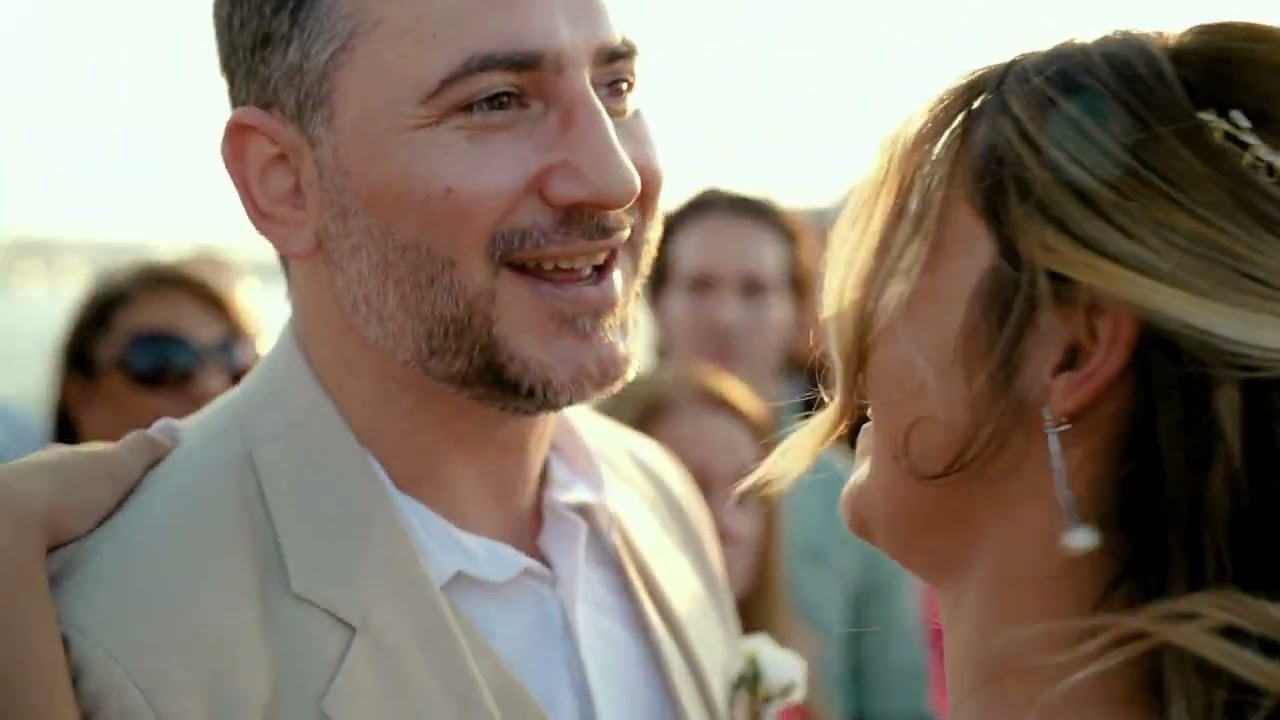
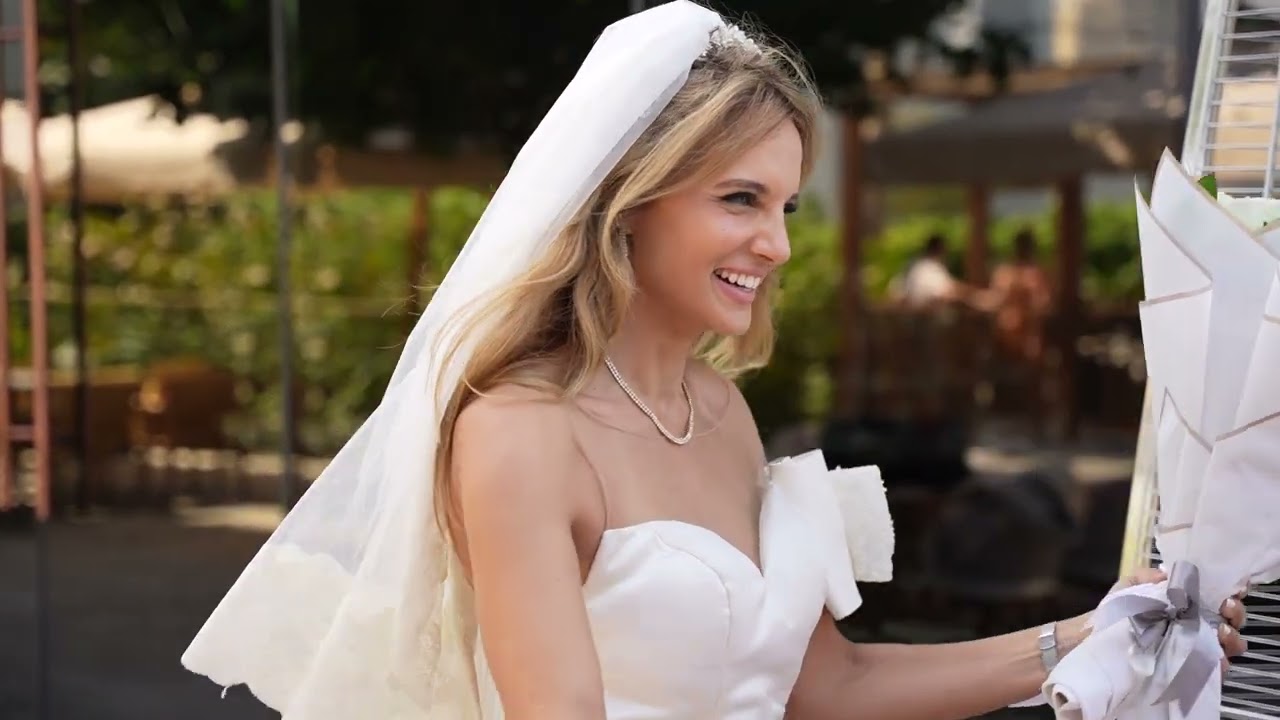
OUR Portfolio
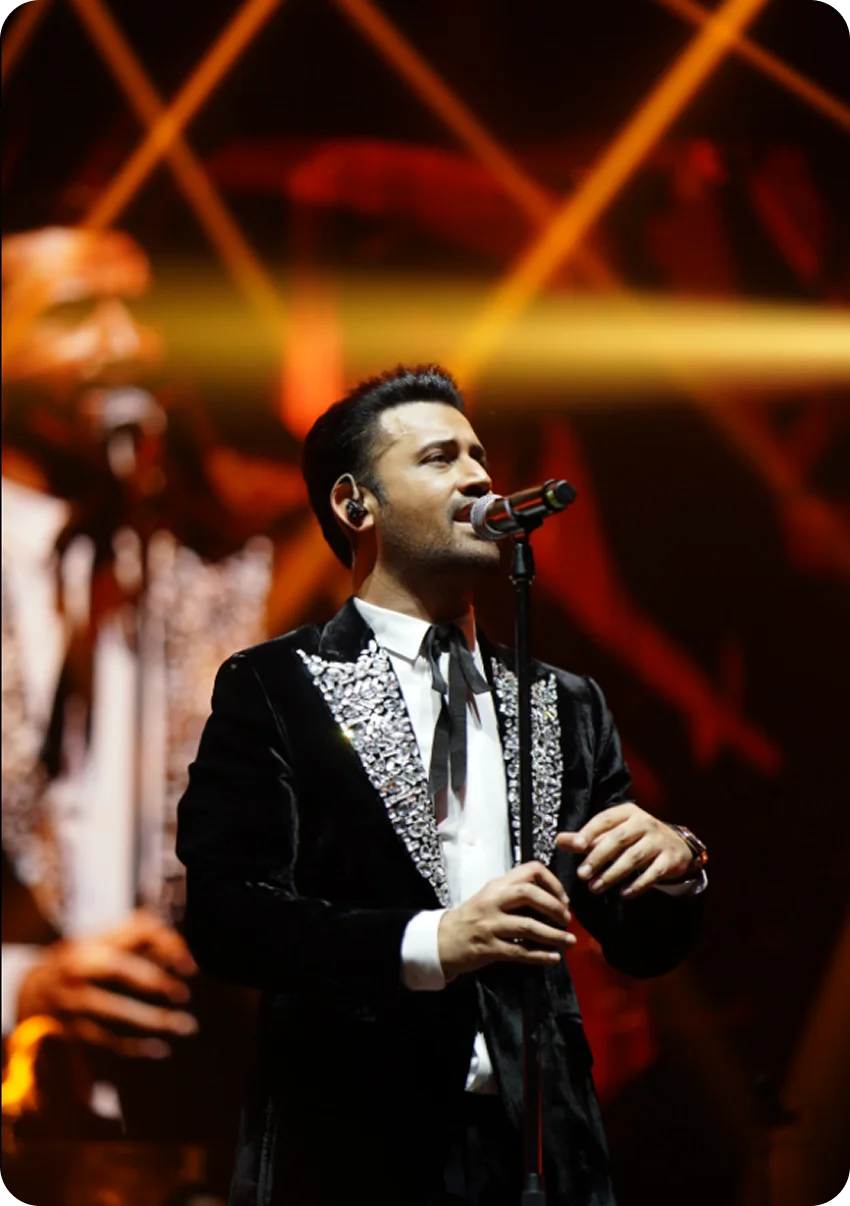
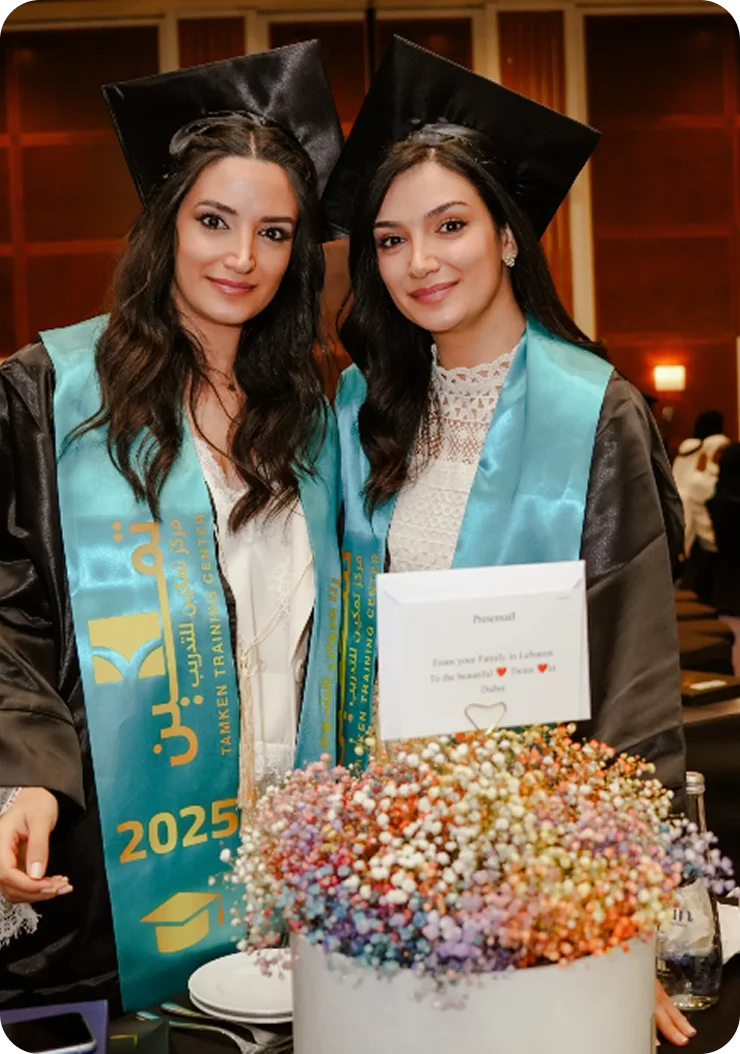
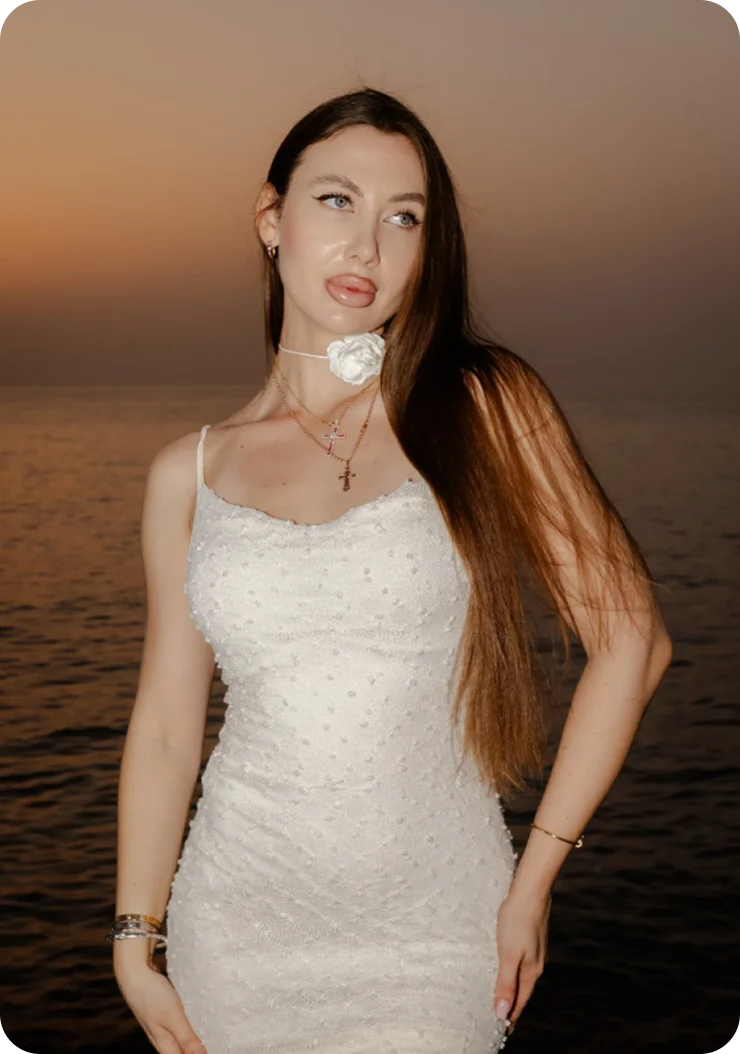
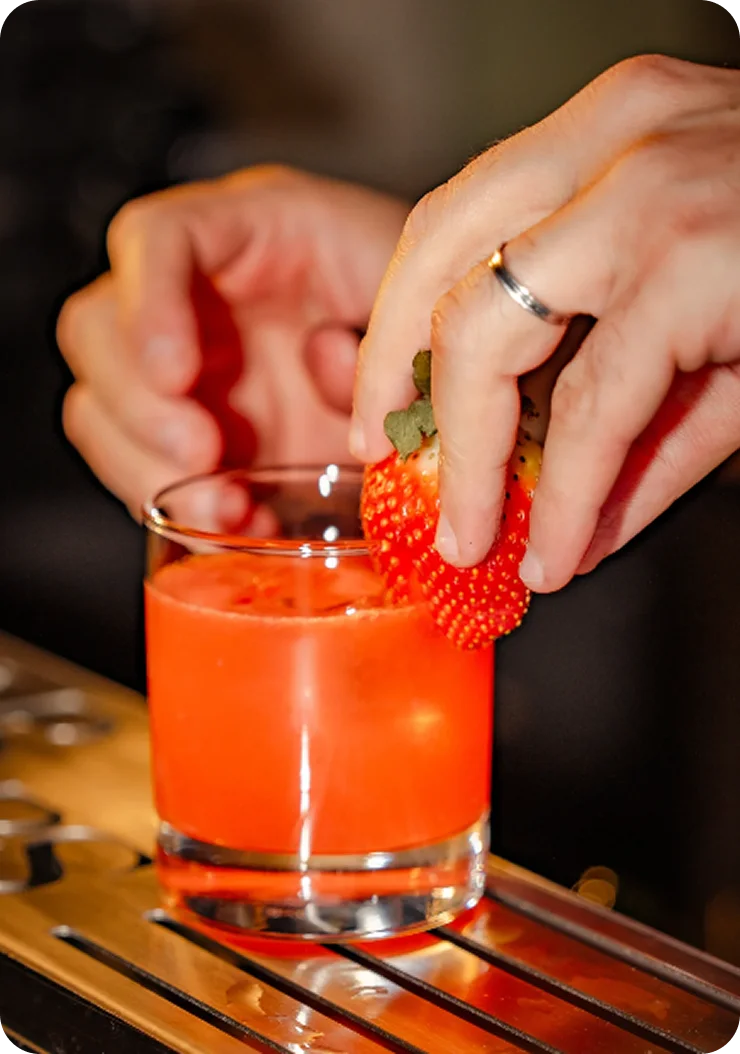
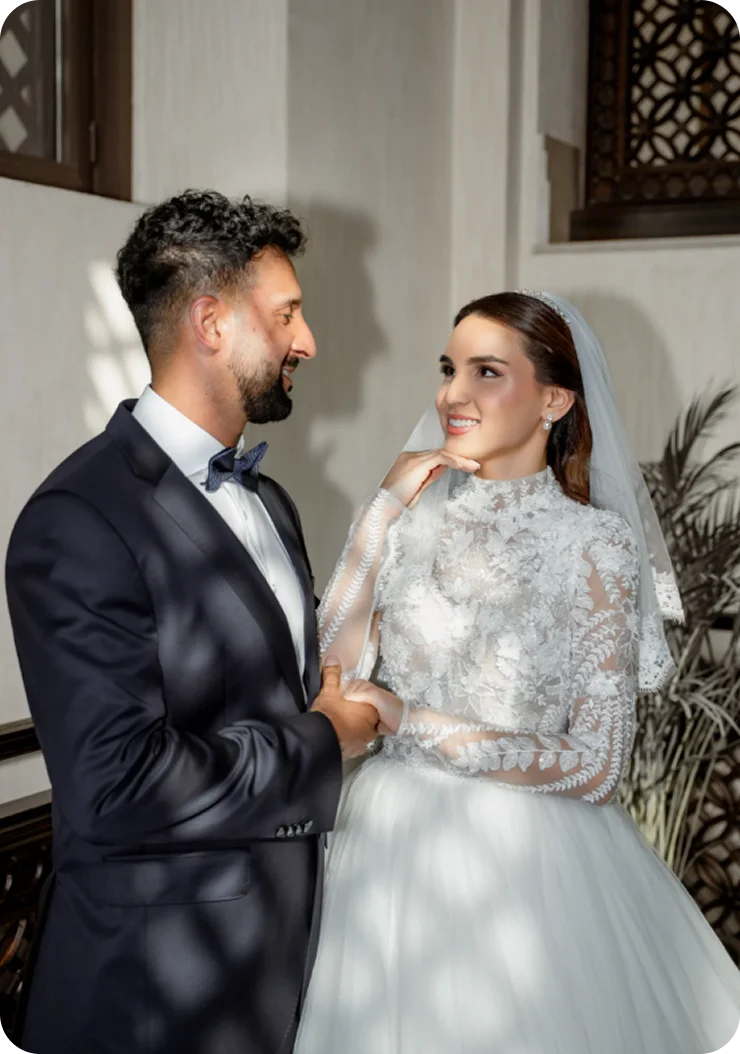
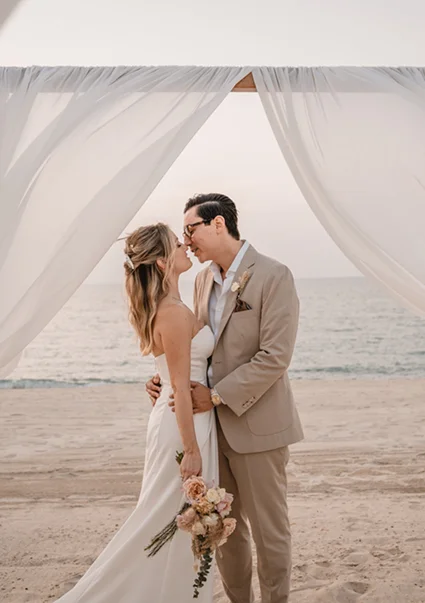
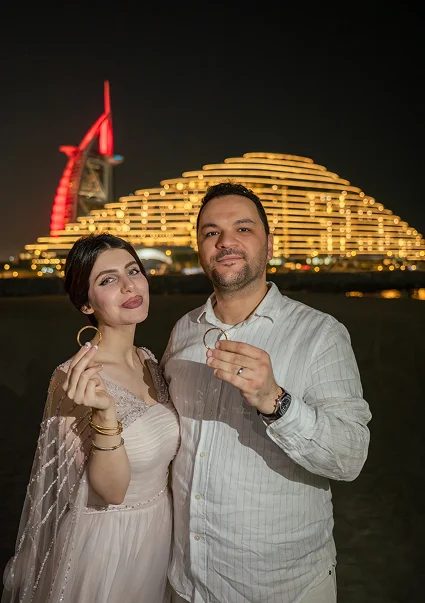
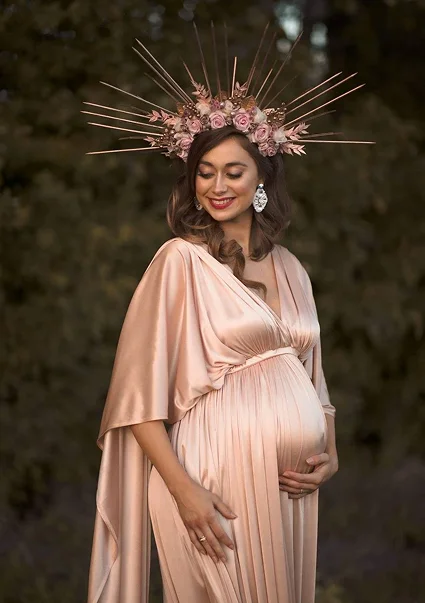


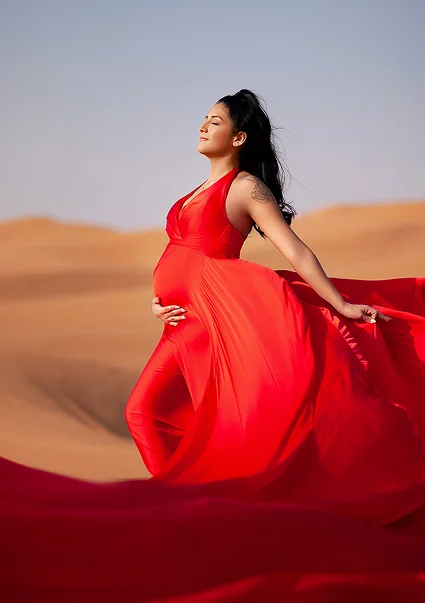
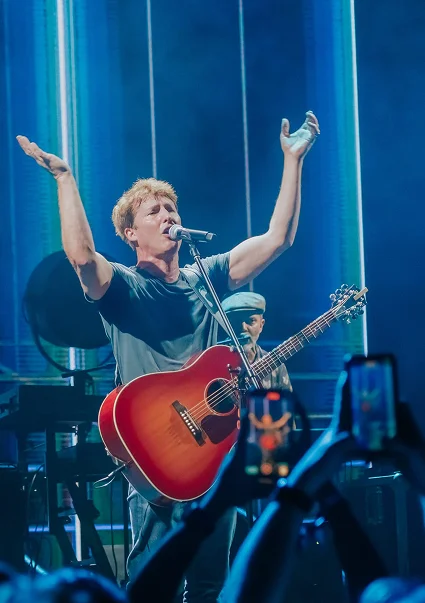
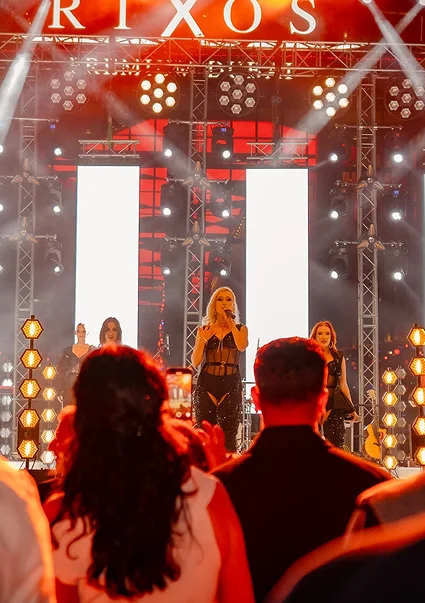
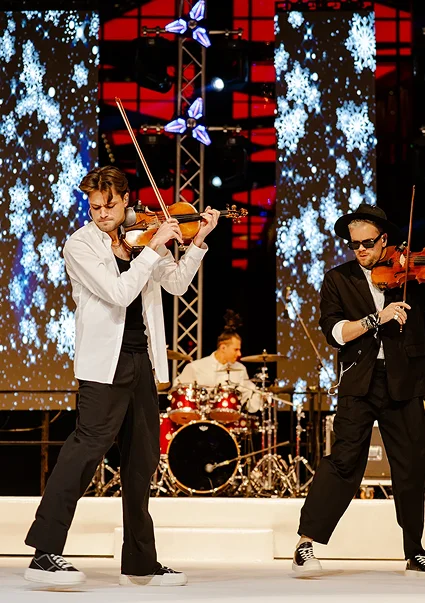


Why Cultural Understanding Matters in Wedding Photography
Every wedding has its own rhythm.
Some celebrations are filled with music, dancing, and large family gatherings. Others are more private, with specific rules about who can photograph certain events or which images can be shared publicly.
That is why we discuss the wedding with the couple before the event.
We want to know:
- Which ceremonies are taking place?
- Which traditions are most important?
- Who are the key family members?
- Are there private or women-only events?
- Are there any photography restrictions?
- Which images can be shared publicly?
- Are there important moments that should not be interrupted?
This preparation helps us capture the wedding naturally while respecting the people and traditions involved.
OUR Photography & Videography
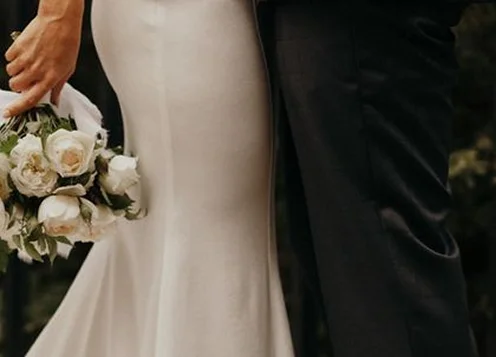
Photography
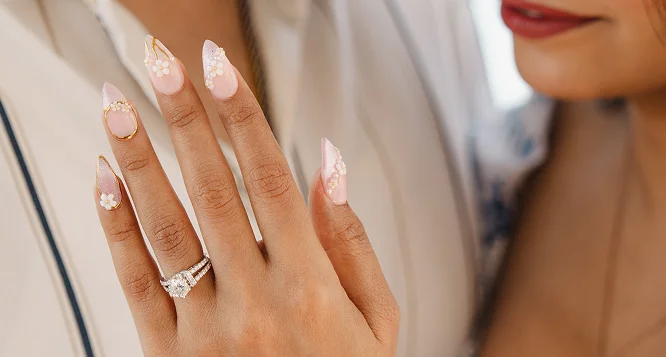
Photography
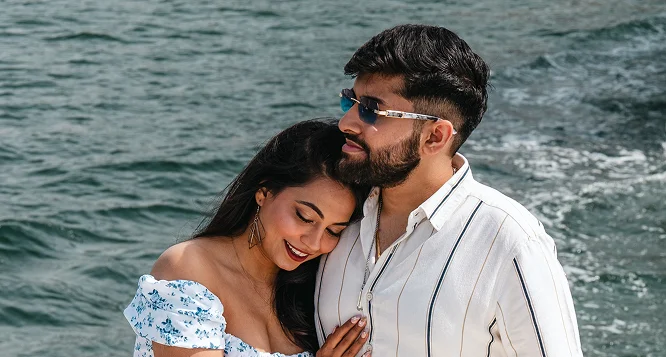
Photography
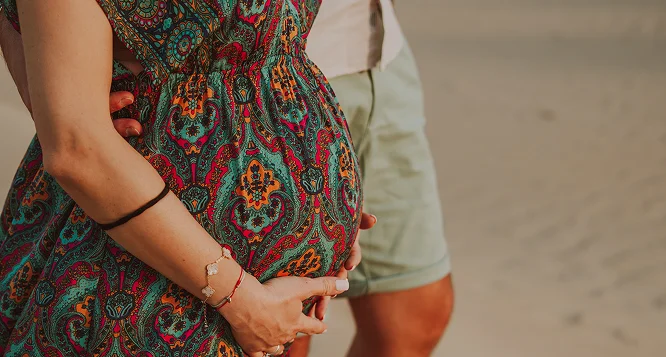
Photography
Photography
Photography
Photography
Photography
Photography
Photography
Photography
Photography
Photography

Photography

Photography
Photography

Photography
Photography
Videography
Videography
Videography
Videography
Videography
Photography
Photography
Photography
Photography
Photography
Photography
Videography
Videography
Videography
Videography
Videography
Videography
How We Photograph Indian Weddings Differently
Indian weddings can be colourful, energetic and full of emotion. They may also take place over several days, with each event having its own atmosphere and purpose. The exact traditions depend on the couple’s religion, region and family, so we never assume that every Indian wedding follows the same schedule.
We prepare for multiple celebrations
Depending on the couple, coverage may include events such as:
- Mehndi
- Haldi
- Sangeet
- Baraat
- Jaimala or Varmala
- Wedding ceremony
- Pheras
- Reception
- Vidaai
Rather than treating these as one long event, we approach each celebration differently.
A Mehndi may be more intimate and candid. A Sangeet may require us to anticipate fast-moving performances and reactions. The main ceremony requires more attention to important rituals, family members, and emotional moments.
We capture the energy, not just the decorations
Indian weddings are full of movement. There may be dancing, music, performances, family interactions, and spontaneous celebrations happening at the same time.
Our photographers look beyond the stage and décor to capture:
- Parents reacting to performances
- Friends dancing together
- Children enjoying the celebration
- Emotional family moments
- Baraat celebrations
- Candid conversations
- Reactions during important rituals
These photographs often become some of the most memorable images in the final gallery.
We slow down during meaningful rituals
While some parts of an Indian wedding are fast-paced, the ceremony itself requires a different approach.
We pay close attention to the couple, family members, important rituals, expressions, and small details so that the story of the ceremony is documented clearly.
The goal isn’t to photograph everything randomly. It is to understand which moments cannot be repeated.
We balance portraits, details, and candid photographs
Indian wedding photography works best when the final gallery has variety. Along with candid moments, we photograph:
- Bridal outfits
- Jewellery
- Mehndi
- Floral arrangements
- Mandap details
- Family portraits
- Couple portraits
- Ceremony details
This creates a gallery that shows not only what the wedding looked like, but also what it felt like.
How We Photograph Arab Weddings Differently
There is no single definition of an Arab wedding. Traditions can vary considerably depending on the family’s nationality, background, religion, and personal preferences.
That is why we never assume that one approach will work for every Arab wedding.
We take privacy seriously
For some Arab and Muslim weddings, privacy is an important part of the photography plan.
There may be:
- Women-only celebrations
- Separate spaces
- Private bridal preparations
- Restrictions on photographing certain guests
- Restrictions on sharing photographs online
In these situations, photography needs to be planned around the family’s wishes rather than treated as a standard wedding shoot. We discuss these requirements beforehand so everyone knows what will and will not be photographed.
We focus on elegance and emotion
Arab weddings can have beautiful details, from bridal fashion and jewellery to elaborate décor and carefully designed venues. But we don’t want the gallery to become a collection of décor photographs.
We also look for:
- Family reactions
- The bride’s entrance
- Couple interactions
- Parents and close relatives
- Guest reactions
- Quiet moments between events
- The atmosphere of the celebration
We anticipate important entrances and movement
If the wedding includes a Zaffa or another traditional procession, the photographer needs to be ready before the moment begins. Rather than standing in one position and reacting at the last second, we think about where we need to be, what the light looks like, and which reactions are likely to happen.
That preparation allows us to capture movement while keeping the photographs natural.
How We Photograph Emirati Weddings Differently
Emirati weddings have their own cultural character, and family expectations can vary.
Traditional Emirati celebrations may involve several events, including henna celebrations and the main wedding, while privacy and gender-specific arrangements can also influence how photography is handled.
We understand the family’s expectations first
Before photographing an Emirati wedding, we discuss:
- The event schedule
- Important traditions
- Family members who need to be photographed
- Photography permissions
- Private areas
- Male and female coverage requirements
- Images that can or cannot be shared
This is particularly important because photography restrictions can differ from one family to another. For example, some Emirati women’s celebrations have traditionally had strict limits on photography or public sharing.
We respect private and gender-specific celebrations
If a wedding has separate male and female celebrations, the photography team needs to be organised accordingly. This can affect who photographs each space, where photographers can stand, and how images are handled after the event.
For us, cultural sensitivity is part of the job—not something considered after the photographs have already been taken.
We capture both heritage and personal style
An Emirati wedding can be traditional, modern, or a combination of both. We photograph the details that make the celebration personal, including:
- Bridal fashion
- Jewellery
- Henna
- Venue décor
- Family portraits
- Couple portraits
- Traditional elements
- Guest interactions
- Important entrances and celebrations
The goal is to preserve the family’s traditions while also showing the couple as they are.
How We Photograph Multicultural & Fusion Weddings Differently
Multicultural weddings require perhaps the most flexible approach.
A couple may bring together Indian and Emirati traditions, Arab and Western traditions, or completely different cultural and religious backgrounds. In these weddings, our job is not to make one culture the main story and the other a side note.
Both sides of the couple deserve to be represented.
We learn about both traditions
Before the wedding, we ask the couple to explain what matters to each family.
This helps us understand:
- Different ceremonies
- Religious traditions
- Family expectations
- Different outfits
- Cultural rituals
- Photography restrictions
- Important entrances
- Key people
This preparation becomes especially useful when two ceremonies happen close together or when different traditions are combined into one event.
We capture where the cultures come together
Some of the most meaningful photographs at multicultural weddings happen between the formal traditions.
For example:
- Two families meeting
- Parents experiencing a new tradition
- Friends from different backgrounds celebrating together
- The couple combining cultural elements
- Family members learning each other’s customs
- Different traditions taking place during the same celebration
These moments tell the bigger story of the marriage.
We make the final gallery feel like one story
A multicultural wedding should not feel like two separate wedding galleries placed together.
We look for visual connections between the different events, families, and traditions so the final collection feels cohesive.
The result should tell the story of one couple bringing their worlds together.
What Changes Behind the Camera?
The biggest difference between culturally experienced wedding photography and a generic approach is often what happens before and behind the camera.
Our shot list changes
We don’t use the same shot list for every wedding. The important photographs depend on the ceremony, family structure, and traditions.
Our positioning changes
Where we stand matters. During some ceremonies, we may need to stay discreet. During a procession, we may need to move with the action. During family portraits, we may take a more organised approach.
We adapt rather than forcing the wedding into our preferred style.
Our lighting approach changes
Dubai weddings can take place in bright outdoor locations, large ballrooms, private villas and low-light reception spaces. We adapt our lighting and camera settings to the environment while trying to keep the photographs natural.
Our communication changes too
Some moments need direction, especially group portraits and couple portraits. Other moments are better left untouched. A good wedding photographer needs to know the difference.
Sometimes the best photograph is the one taken when nobody notices the camera.
What We Ask Couples Before Their Wedding
A short conversation before the wedding can make a huge difference.
We recommend discussing questions such as:
- Which ceremonies and events are you having?
- Which traditions are most important to you?
- Are there private or women-only celebrations?
- Are there any areas where photography isn’t permitted?
- Which family members are especially important to photograph?
- Are there moments that should not be photographed?
- Which photographs can be used on social media?
- Are there venue-specific photography rules?
- Do you want more candid photographs, portraits, or both?
- Are there any cultural details you want us to understand before the wedding?
The more we understand beforehand, the more naturally we can work on the day.
What All These Weddings Have in Common
Indian, Arab, Emirati and multicultural weddings may look very different, but they share something important: people are at the centre of them.
Beyond the rituals and decorations, we are looking for:
- A parent’s reaction
- A nervous smile
- A friend’s laughter
- A quiet moment between the couple
- A grandparent watching the ceremony
- Families celebrating together
- The small interactions that happen when nobody is posing
These are the photographs that can bring a wedding day back to life years later.
Why Cultural Experience Matters When Choosing a Wedding Photographer in Dubai
When choosing a wedding photographer, don’t look only at how beautiful their portfolio is. Ask whether they understand your wedding.
A good photographer should:
- Have experience with similar celebrations
- Ask questions about your traditions
- Respect cultural and privacy requirements
- Understand that every family is different
- Be comfortable photographing large celebrations
- Know how to work around different venues
- Capture both candid and formal photographs
- Understand when to direct and when to step back
- Communicate clearly before the wedding
Technical photography skills are important. But for cultural weddings, awareness, preparation, and respect matter just as much.
Our Approach at The Cinematic Socials
At The Cinematic Socials, we believe your wedding should not have to fit a photographer’s formula.
Our approach begins before the wedding day. We learn about your schedule, traditions, family, venue, and photography expectations so we can create a plan around your celebration.
Whether you are planning an Indian wedding with several events, an Emirati celebration with specific privacy requirements, an Arab wedding, or a multicultural celebration bringing two families together, we adapt our approach to you.
We combine candid storytelling, natural portraits, family photographs, and detailed coverage to create a gallery that feels personal rather than repetitive.
Most importantly, we respect the fact that every family celebrates differently.
Your Culture Is Part of Your Wedding Story
Your wedding traditions are more than a schedule of events. They are part of your family’s story.
That’s why we don’t believe Indian, Arab, Emirati, or multicultural weddings should all be photographed in exactly the same way. Your culture should shape the photography—not the other way around.
If you’re planning a wedding in Dubai and want a photography team that takes the time to understand your traditions, family, and expectations, The Cinematic Socials is here to help tell your story with care and intention.
Frequently Asked Questions
Do you photograph Indian weddings in Dubai?
Yes. We photograph Indian weddings and can plan coverage around multiple events and ceremonies, depending on the couple’s schedule and traditions.
Do you photograph Arab and Emirati weddings?
Yes. We adapt our photography approach to the family’s traditions, privacy requirements, event structure, and preferences.
Can you photograph multicultural weddings?
Yes. We can create a photography plan around different cultural, religious, and family traditions so both sides of the couple are represented.
How do you handle private or women-only wedding events?
We discuss privacy requirements before the wedding and organise the photography team according to the family’s preferences and the event’s rules.
Do you need to know our wedding rituals beforehand?
Yes. Knowing the schedule and important rituals helps us prepare for key moments instead of trying to understand everything while the ceremony is happening.
Can you photograph multi-day Indian weddings?
Yes. Coverage can be planned around the specific events you are having, whether that involves one day or several celebrations.
Can we tell you which moments are most important to our family?
Absolutely. In fact, we encourage it. Your priorities help us understand which people, rituals, and moments deserve particular attention.
Do you photograph both candid and traditional wedding portraits?
Yes. We combine candid moments with family portraits, couple portraits, ceremony photographs, and details to create a complete wedding story.