- About
-
Photography
-
Dubai - Photography
Dubai - Photography
- Dubai Photography
- Wedding Photography
- Pre-Wedding Photography
- Couple Photography
- Maternity Photography
- Baby Shower Photography
- Birthday Photography
- Real Estate Photography
- Event Photography
- Family Photography
- Flying Dress Photography
- Corporate Photography
- Corporate Meeting Photography
- Corporate Headshot Photography
- Food Photography
- Product Photography
- Cars Photography
- Airbnb Photography
- Music Photography
- Fashion Photography
- Kids Birthday Photography
- Ecommerce Photography
- Abu Dhabi - Photography Abu Dhabi - Photography
- Sharjah Photography Sharjah Photography
- Ajman Photography Ajman Photography
- Fujairah Photography Fujairah Photography
- Umm Al Quwain Photography Umm Al Quwain Photography
- Ras Al Khaimah Photography
-
Dubai - Photography
Dubai - Photography
- Videography
-
- Portfolio
- Blog
- Marketing
- Contact
How We Decide Which Rooms & Features Deserve the Best Shots
When we photograph a property, we don’t automatically give every room the same number of photos. A great property photography shoot isn’t about photographing everything. It is about understanding what makes the property worth remembering and showing those features in the best possible way.
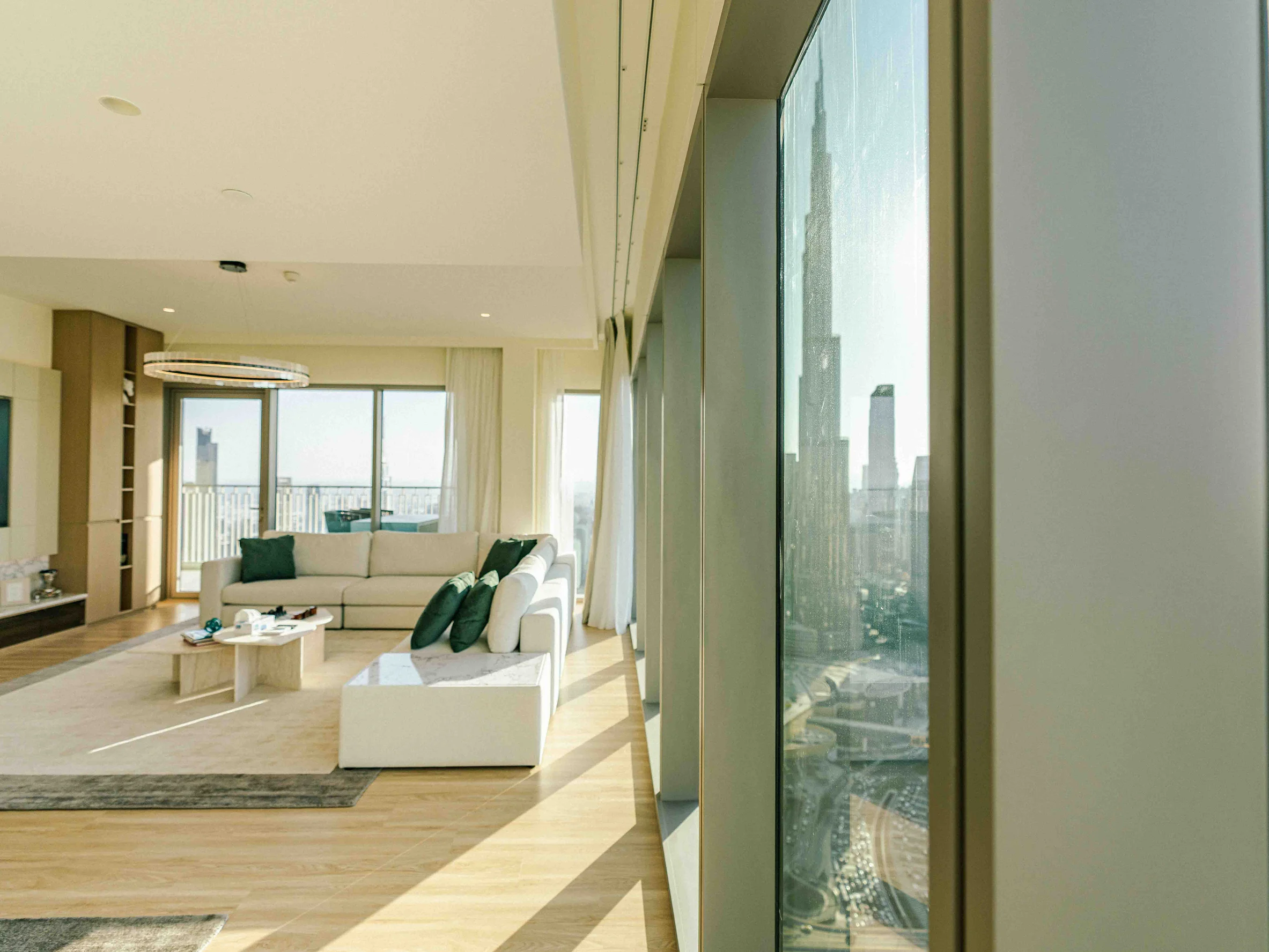
A spacious living room, a beautifully designed kitchen, a Dubai skyline view, or a carefully finished bathroom may all deserve different types of photographs to shine.
This is why, before we start shooting, we look at the property as a whole. We consider its layout, natural light, architecture, interiors, views, and the lifestyle it offers. From there, we decide which rooms need strong wide shots, which features deserve close-ups, and which spaces only need one useful photograph.
Here’s how we make those decisions.
What Makes a Room Worth a Hero Shot?
A hero shot is one of the strongest images from a property. It is the photograph that immediately catches someone’s attention and gives them a sense of what makes the property special.
But how do we decide which room deserves one?
We usually look at three things.
1. Does the room have a strong visual feature?
A room becomes more interesting when it has something that immediately catches the eye.
This could be:
- Floor-to-ceiling windows
- Designer furniture
- A statement light fixture
- Marble finishes
- A feature wall
- Custom cabinetry
- A dramatic staircase
- An interesting architectural detail
If a room has a feature that makes it different from dozens of similar properties, we want to make sure the photography shows it properly.
2. Does it communicate the property’s lifestyle?
Property photography isn’t only about showing walls, floors, and furniture. It should also help someone imagine living in the space.
For example, a balcony overlooking Dubai Marina may be more important than an ordinary corridor because the view is part of the property’s lifestyle.
3. Does the photograph help people understand the property?
Not every important photograph has to be dramatic.
Sometimes a simple wide shot is valuable because it shows how the kitchen connects to the living room or how much space surrounds the furniture. A useful property gallery should help viewers understand both what the property looks like and how the spaces connect.
How We Prioritise Rooms During a Property Shoot
Before taking the first photograph, we like to walk through the property. This gives us a chance to understand the space rather than making decisions one room at a time.
Our process is usually simple:
Walk through the property → identify its strongest features → assess the light → choose important compositions → photograph the details → build the final visual story.
During this walkthrough, we ask questions such as:
- What is the strongest room in this property?
- Where does the best natural light come from?
- Is there a particularly good view?
- Which features would a potential buyer or guest want to notice?
- Does the property have a unique architectural detail?
- Which spaces need multiple angles to explain their layout?
- Which rooms can be covered with one strong image?
This approach prevents the final gallery from becoming a collection of repetitive photographs.
Which Rooms Usually Deserve the Best Property Photos?
Every property is different, but some rooms usually play a bigger role in the final gallery.
Living Room: Show Space and Lifestyle
The living room is often one of the first spaces we notice. A good living-room photograph should show the sense of space, natural light, layout, and any important features.
Depending on the room, we may photograph:
- The overall seating area
- Large windows
- A feature wall
- A fireplace
- The connection to the dining area
- An open-plan kitchen
- A view outside
We may take several compositions if the room is large or has different features worth showing.
Kitchen: Show Design and Function
A kitchen can be one of the strongest areas in a property, particularly when it has premium finishes or a distinctive design.
We look at:
- Kitchen islands
- Countertops
- Cabinet design
- Appliances
- Backsplashes
- Lighting
- Storage
- The relationship between the kitchen and other living spaces
A wide photograph can show the entire kitchen and its layout. A closer photograph may work better for a beautiful marble countertop, designer fixtures, or custom cabinetry. Usually the best approach is a combination of both.
Master Bedroom: Show Comfort and Scale
A master bedroom should feel comfortable and inviting, but the photograph should also communicate its size and features.
We look for:
- Natural light
- The bed and headboard
- Wardrobes
- Seating areas
- Balcony access
- Large windows
- Views
- Ensuite access
If the bedroom has an amazing view or a beautifully designed interior, those elements may deserve additional photographs.
Bathrooms: Highlight the Finishes
Bathrooms can be difficult to photograph because they are often smaller spaces. That makes camera position and composition particularly important.
We look for details such as:
- Marble
- Vanity units
- Mirrors
- Bathtubs
- Showers
- Fixtures
- Lighting
- Wall finishes
We don’t always need to make a bathroom look enormous. Instead, the goal is to show it clearly and highlight the features that give it character.
Which Property Features Deserve Their Own Photograph?
Sometimes the strongest image isn’t an entire room. It can be a particular feature.
Views and Windows
A great view can be one of a property’s biggest selling points. If the view is a major part of the property’s appeal, we make sure it isn’t treated as an afterthought.
Architectural Features
Unique architecture can make an otherwise ordinary room stand out.
Examples include:
- Double-height ceilings
- Statement staircases
- Arches
- Floor-to-ceiling glass
- Feature walls
- Large doorways
- Custom woodwork
- Interesting ceiling details
These features can work as wider compositions or detail photographs depending on their size and visual impact.
Outdoor Spaces
For villas and larger properties, outdoor spaces can be just as important as interiors.
We may give extra attention to:
- Swimming pools
- Gardens
- Terraces
- Balconies
- Outdoor kitchens
- Dining areas
- Lounging spaces
The key question is: Does this space add something to the property’s lifestyle?
If the answer is yes, it deserves to be shown properly.
Premium Materials and Finishes
Sometimes it is the smaller details that communicate quality.
Marble, woodwork, designer fixtures, textured walls, and custom finishes can all deserve detail shots when they contribute to the property’s character. These images add variety to the final gallery.
How Lighting Changes Which Shot We Choose
Lighting can completely change how a room looks. Before choosing our strongest composition, we consider where the natural light is coming from and how it falls across the room.
We look at:
- Window direction
- Time of day
- Natural shadows
- Interior lighting
- Reflections
- Bright and dark areas
- Outdoor light
A room with beautiful natural light may be perfect for a wide hero photograph. Another room may have a striking chandelier, carefully designed lighting, or interesting shadows, making a closer composition more effective.
This is one reason we don’t use the same approach for every property.
Why We Don’t Photograph Every Room the Same Way
One of the biggest mistakes in property photography is assuming that every room needs the same treatment. It doesn’t. A small hallway might only need one photograph, and a kitchen may need a wide image plus a detail shot.
| Space | What We Usually Want to Show |
| Living room | Space, layout and lifestyle |
| Kitchen | Design, finishes and functionality |
| Master bedroom | Comfort, scale and features |
| Bathroom | Finishes and fixtures |
| Balcony | View and outdoor lifestyle |
| Pool | Outdoor experience |
| Garden | Space and usability |
| Hallway | Flow and connection |
| Utility area | Function |
This gives the final collection a better balance.
Wide Shots vs. Detail Shots: How We Decide
Both are important, but they serve different purposes.
Wide shots help show:
- Room size
- Layout
- Overall design
- Connections between spaces
- Where furniture sits within the room
Detail shots help show:
- Materials
- Craftsmanship
- Fixtures
- Textures
- Decorative elements
- Premium finishes
If we only take wide photographs, the property can lose some of its personality. If we only take detail photographs, viewers may struggle to understand the space.
The best property photography usually combines both.
How We Choose the Best Camera Position
Where the camera is placed can make a major difference. We look for an angle that shows the room naturally while keeping important features visible.
Depending on the space, we may consider:
- Camera height
- Room corners
- Doorways
- Furniture placement
- Window position
- Leading lines
- Vertical lines
- The relationship between different areas
We also avoid using an extremely wide perspective simply to make a room appear larger than it really is.
What We Avoid When Choosing Property Photos
Knowing what not to photograph can be just as important. We avoid filling a gallery with:
- Nearly identical wide-angle images
- Unnecessary detail shots
- Awkward furniture blocking important features
- Distracting reflections
- Poorly lit compositions
- Angles that exaggerate the size of a room
- Images that don’t add anything new to the story
We also don’t believe every photograph needs heavy editing. Good property photography should enhance the space without making it look completely different from reality.
How We Build a Property’s Final Photo Story
A property gallery should feel connected from beginning to end. Rather than looking like a random collection of rooms, the images should guide the viewer through the property.
A typical sequence might look something like:
Exterior → Entrance → Living area → Kitchen → Dining space → Bedrooms → Bathrooms → Special features → Outdoor areas → Detail shots
But this isn’t a fixed formula.
If the property has an incredible skyline view, that may deserve to appear much earlier. If the architecture is the main attraction, the gallery should reflect that.
The strongest image should help communicate the property’s biggest advantage.
Our Simple Rule: Photograph What Makes the Property Different
When we’re deciding which rooms and features deserve the best shots, we don’t simply ask: “Have we photographed every room?”
We ask:
“Have we shown what makes this property worth choosing?”
That difference matters.
Professional property photography isn’t about giving every room the same amount of attention. It’s about understanding the property, identifying its strongest features, and choosing photographs that communicate those strengths clearly.
Our job is to know which parts of that story deserve the spotlight.
Final Thoughts
The best property photography isn’t about taking the most photographs. It’s about taking the right photographs. Every property has something that makes it different. Our job is to find it, understand how it looks best, and give it the attention it deserves.
Whether we’re photographing an apartment with a skyline view, a villa with a private pool, or a luxury home filled with custom interiors, we approach each space differently. Because when every photograph has a purpose, the final gallery doesn’t just show a property. It tells people why they should care about it.
Planning a property shoot in Dubai? The Cinematic Socials can help create professional photography that showcases your property’s spaces, features, and lifestyle in a way that feels natural, polished, and true to the property.
Frequently Asked Questions
Which rooms should be photographed first in a property?
Start with the rooms and features that best represent the property, such as the living area, kitchen, master bedroom, standout views, and unique architectural details. The exact order depends on the layout and natural light.
How many photos should you take of each room?
There’s no fixed number. Larger or more important rooms may need several useful angles, while smaller spaces may only need one strong image.
What features make a good real estate photo?
Good light, thoughtful composition, attractive design, useful views, and distinctive finishes all help create a strong real estate photo. The image should also give viewers a clear sense of the space.
Should every room have a wide-angle photograph?
No. Wide shots show layout and scale, while detail shots highlight materials, finishes, and design features.
How do photographers make rooms look bigger?
Photographers use careful camera placement, composition, and suitable lenses to show a room at its best. The goal should be to make it look spacious without misrepresenting its actual size.
Should property photographers take detail shots?
Yes, when the details add character or show quality. Features such as marble, lighting, fixtures, and custom cabinetry can work well as close-up images.
What makes a good hero shot for a property?
A good hero shot combines the property’s strongest feature with attractive light, balanced composition, and a clear sense of space. It should immediately make viewers want to see more.
Do luxury properties need different photography?
Luxury properties often benefit from more detailed photography that highlights their architecture, materials, views, interiors, and lifestyle spaces.